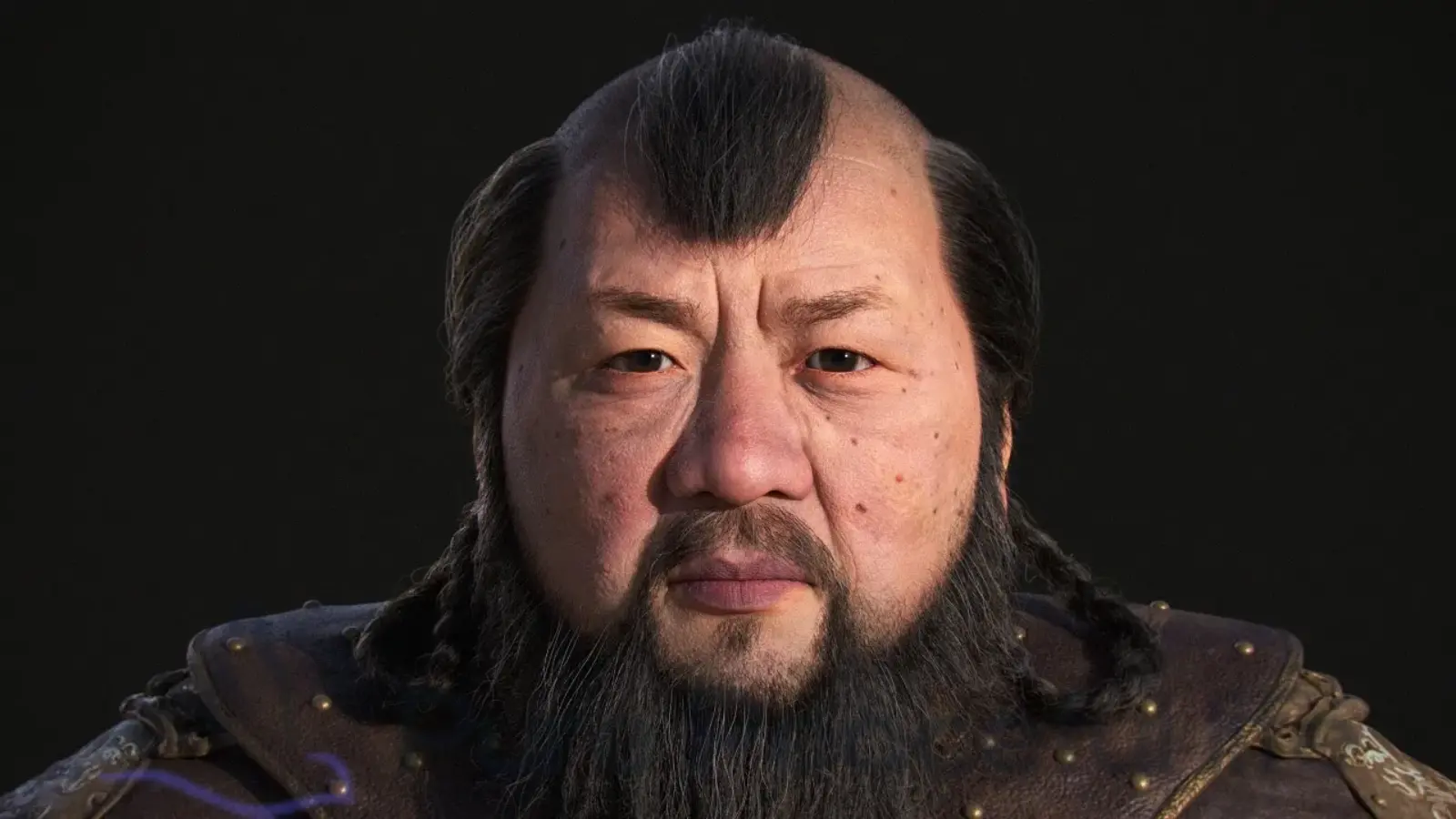

Estimating Genghis Khan net worth is nearly impossible in modern terms, yet his impact and the vast wealth he controlled make him one of the most powerful figures in history. As the founder of the Mongol Empire, he commanded immense land, resources, and influence far beyond the concept of personal fortune. While he didn’t accumulate riches the way modern billionaires do, the scale of his empire and economic power continues to spark curiosity about what his “net worth” would look like today.
What Was Genghis Khan’s Net Worth? (Myth vs. Historical Reality)
People often wonder how rich Genghis Khan was in today’s money. Some modern sources claim a 120 trillion net worth, but this is not based on actual historical records. These numbers are inflation-adjusted wealth estimates that try to measure empire wealth rather than personal fortune. There is no verified historical net worth because personal wealth did not work the same way during the 12th and 13th centuries.
Genghis Khan did not collect private treasure like many rulers. Even though he invaded powerful regions such as China, Persia, and Russia, he shared plunder with his soldiers. This shared plunder included gold and jewels, livestock assets, and other items collected from conquered lands. He focused more on empire building and expanding the Mongol Empire than on keeping personal treasure.
How Historians Estimate Genghis Khan’s Wealth Today
Historians use ancient wealth estimation methods based on:
• economic wealth indicators
• the size of territories he ruled
• taxes collected from conquered regions
• value of livestock wealth and minerals
• control of major trade routes such as the Silk Road
When historians try to understand Genghis Khan real net worth, they look at the Mongol Empire’s influence over trade, resources, and people. With inflation adjustment, some scholars say the economic value of what he controlled could be compared to all global billionaires combined. This does not reflect personal fortune, but the scale of power he held as a historic figure.
Genghis Khan’s Land and Real Estate Control
Genghis Khan did not own real estate in the modern sense, but he ruled over some of the largest territories ever controlled by one leader. These large swaths of land included parts of China, the Middle East, Central Asia, Russia, and Eastern Europe. If someone asks whether Genghis Khan owned land, the answer is that he controlled territories through military power rather than through real estate value or private land ownership.
If the real estate land value of his empire were measured today, it would equal trillions of dollars. The Mongol Empire expansion covered nearly 12 million square miles, making it the largest contiguous empire in history.
Wealth Beyond Money: Resources Genghis Khan Controlled
The wealth of the Mongol Empire included resources far more valuable than currency. These included:
• millions of horses
• livestock wealth such as sheep, goats, and cattle
• plundered treasure from cities
• gold valuation and diamonds from conquered kingdoms
• valuable goods from Silk Road trade
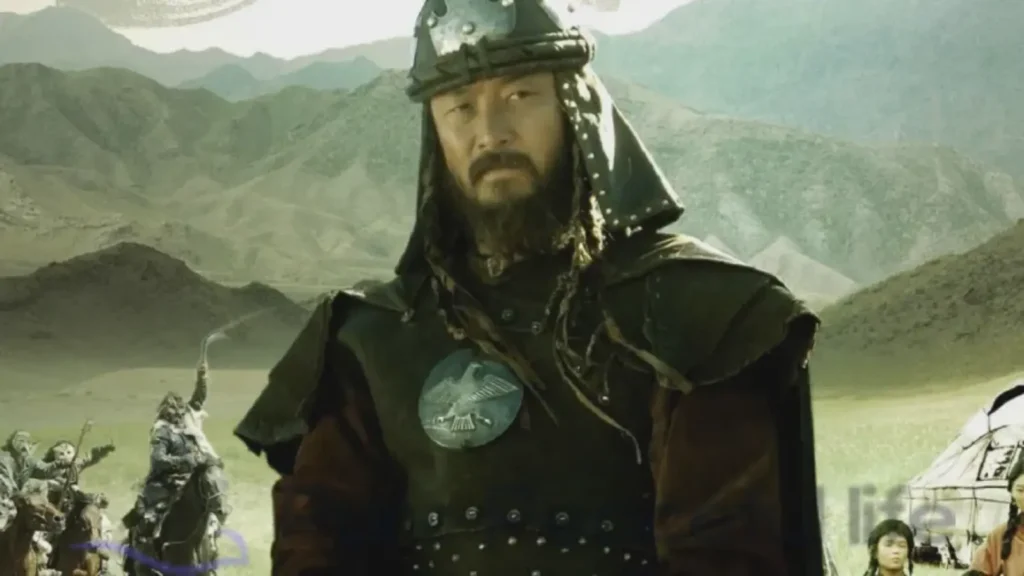
During military campaigns, his horseback armies often looted gold and collected rare resources. Cities invaded by the Mongols, including those belonging to the Jin Dynasty and the Delhi Sultanate, often surrendered large amounts of wealth. Despite all this, Genghis Khan kept little for himself and distributed much of the treasure to his followers.
Genghis Khan’s Background and Rise to Power
Genghis Khan was born as Temujin. He grew up in a divided region shaped by tribal clans of Mongolia. His father Yesukai was a leader, but after his father’s death, Temujin faced poverty and threats from rival clans. Mongolia at this time was shaped by nomadic tribes, shifting alliances, and constant battles for survival.
Despite these challenges, Temujin showed leadership skills from a young age. He united different Mongolian clans by combining strategy, diplomacy, and strong military leadership. His vigorous training, discipline, and ability to inspire loyalty helped him rise to power. When he united the tribes under one rule, he became known as Genghis Khan, which means universal ruler.
The Mongol Empire’s Expansion and Economic Power
Once Genghis Khan became ruler, he launched campaigns across Asia, China, and Eastern Europe. These military campaigns expanded the Mongol Empire at a rapid pace. The empire controlled invasion routes, rich farmlands, and major trade centers. Cities like Zhongdu, the capital of the Jin Dynasty, fell under Mongol rule.
This expansion increased the empire’s economic power. With control of the Silk Road, the empire gained taxes from traders and stable commercial activity. The Mongol Empire wealth explained much of its influence, as safe trade routes brought in gold, silk, spices, and many other goods.
Genghis Khan vs. Other Richest Historical Figures
Genghis Khan is often compared to other rulers from history such as:
• Mansa Musa of Mali
• Augustus Caesar of Rome
• Akbar the Great
• ancient kings of Persia
• modern tycoons like Rockefeller
Many people ask who was the richest man in history. While Genghis Khan controlled more land than any other leader and had access to immense resources, he did not personally keep the wealth. Mansa Musa is often considered wealthier in personal fortune because he controlled massive gold mines and kept private riches. Genghis Khan gold and treasure were mostly redistributed to soldiers, making his wealth more about power than personal luxury.
Genghis Khan Net Worth Growth Over His Lifetime
When Temujin was young, he had no wealth or land. As he united Mongolia and expanded the empire, his influence and resources grew. His military victories added livestock assets, precious metals, and new regions full of resources. With each new conquest, the empire wealth increased, but his personal wealth remained simple.
If someone looks at his peak net worth or net worth at death using inflation-adjusted values, the numbers will always be estimates. These estimates reflect empire control, not individual wealth.
Did Genghis Khan Keep Wealth for Himself? (Surprising Facts)
Genghis Khan did not live like a traditional wealthy ruler. He did not build a palace or store hundreds of stacks of gold for himself. Instead, he preferred a nomadic lifestyle and lived in a simple tent. His training routines and way of life were similar to ordinary Mongol soldiers.
He respected holy men of different faiths and often protected artisans and scholars. He shared wealth from battles to maintain unity and reward loyalty in the empire. This made him a powerful leader, even though he was not personally rich in the way modern billionaires are.
Genghis Khan’s Death and Distribution of His Empire
Genghis Khan death took place in 1227, but the exact cause is still unknown. Some stories say he was injured during a campaign, while others say illness was the cause. Before his death, he sought advice from Daoist priests because he believed they understood secrets of eternal life.
His body was returned to Mongolia, and his final resting place remains an unknown tomb location. After his death, his empire was divided among his sons, beginning with Ogedai Khan, who continued the expansion. Over time, Mongol succession disputes and conflicts led to empire fragmentation. The once united empire eventually broke into separate states, which marked the end of its strongest period.
FAQs
What was Genghis Khan's net worth?
Genghis Khan didn’t accumulate personal wealth in the modern sense, but the empire he controlled would be worth trillions today.
Who is more rich, Mansa Musa or Genghis Khan?
Mansa Musa is widely considered the richest person in history due to his immeasurable gold wealth.
Who is the no. 1 richest man in the world?
As of today, the title shifts frequently, but it is typically held by tech billionaires like Elon Musk, Bernard Arnault, or Jeff Bezos depending on market value.
Was Julius Caesar a billionaire?
Not in modern terms, though he was extremely wealthy for his time with vast political and military resources.


 By
By